Why English-medium school does not produce an English-speaking child
Most Malayali parents chose English medium precisely so this would not happen. Understanding why it happens anyway points at what to do instead.
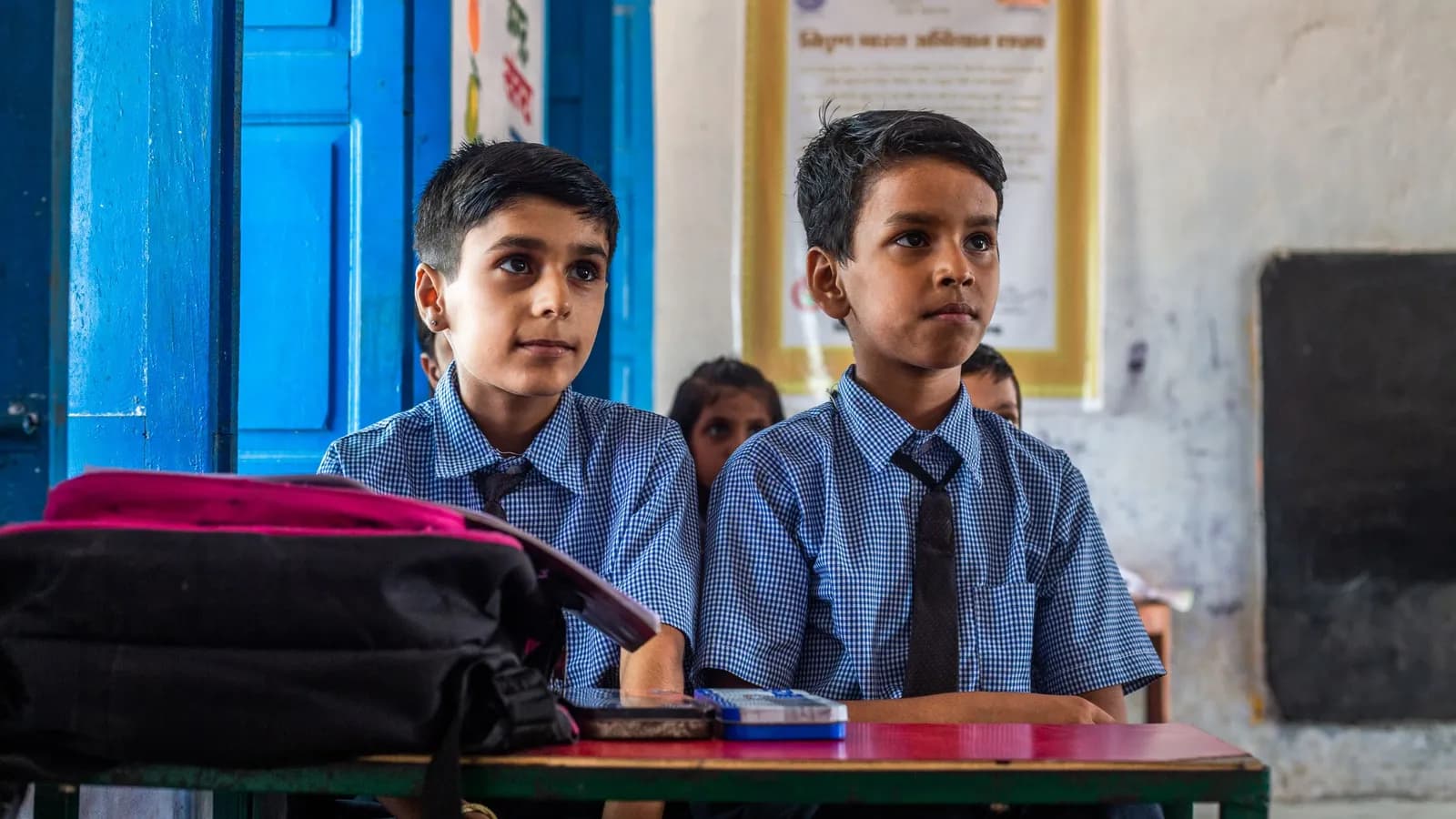
A parent pays for English medium for twelve years. The child reads English well, writes decent English, scores well in the English exam — and cannot hold a five-minute conversation in it.
This is so common in Kerala that it is worth stating plainly: it is not a scandal, and it is usually not the school's fault. It is what the arrangement was always going to produce.
The arithmetic
"English medium" describes the language textbooks are printed in. It does not describe the language spoken in the room.
In a typical English-medium classroom in Kerala, instruction is often delivered partly in Malayalam — because explaining a science concept in a second language to thirty children is slower, and the teacher is being measured on the science. Meanwhile:
- The child speaks Malayalam to classmates, at every break.
- The child speaks Malayalam at home.
- The child speaks Malayalam in the auto, at the shop, at the temple or church.
Count the actual minutes of English production — not exposure, production — in a school day. For many children it is close to zero. They may hear a great deal of English and produce almost none, and production is the skill that was supposed to be the point.
Why reading well hides the problem
Reading and listening are receptive skills; speaking and writing are productive. Progress in the first pair is visible in marks, which is exactly what parents and schools measure.
So a child can look successful on every metric available while the productive half never develops. The gap only becomes visible at a college interview or a first job — by which time it has had eighteen years to set.
VideoA reel on the biggest real blocker to speaking English in Kerala — not grammar, but the fear of sounding foolish in front of people who already speak it.
The part that is nobody's fault
There is also a social mechanism, and it is strong in Kerala specifically. A child who speaks fluent English among Malayalam-speaking friends risks looking like a show-off. That is a real cost to a twelve-year-old, and children optimise around it rationally by not doing it.
So the child who can speak English often chooses not to, in every setting where it would count as practice.
What actually changes it
Create low-status English time. Not performance in front of relatives. English while playing a game, or with someone outside the friend group, where showing off is not a risk.
Value output over correctness at home. If every English sentence is corrected, the child stops producing them. Corrections belong to the school; home is where volume happens. This is the same fluency-before-accuracy trade that applies to adults.
Find speakers outside the peer group. A cousin in another city, an online class, a relative abroad. Someone with whom English is not a status claim.
Do not switch to English at home overnight. It fails, it strains the relationship, and it can damage the child's Malayalam without securing their English. Ten deliberate minutes beats an artificial all-day rule.
Use content the child already wants. A game or a series they would choose anyway carries far more repetition than a workbook, and repetition is what builds the productive half.
For the earlier stage, see English for kids: a guide for Malayali parents, and for practical home activities, English games for kids at home.
If what is missing is simply someone to speak English to, that is what a structured class supplies — see the courses for kids and teens.
Frequently asked questions
- Why can my child not speak English despite English-medium school?
- Because English medium describes the language of the textbooks, not the language actually spoken in the room. Instruction is often partly in Malayalam, and breaks, home and daily life are entirely Malayalam. The child gets a lot of English exposure and almost no English production — and production is the skill that was missing.
- Should we speak only English at home?
- No. Switching the household language overnight usually fails, strains relationships and can weaken the child's Malayalam without securing their English. Ten deliberate minutes of English a day, in a low-pressure activity, does more than an artificial all-day rule.
- Should I correct my child's English mistakes at home?
- Sparingly. If every sentence is corrected, most children simply stop producing sentences. Let home be where volume happens and leave systematic correction to the school or a class — the same fluency-before-accuracy principle that applies to adult learners.
Keep reading
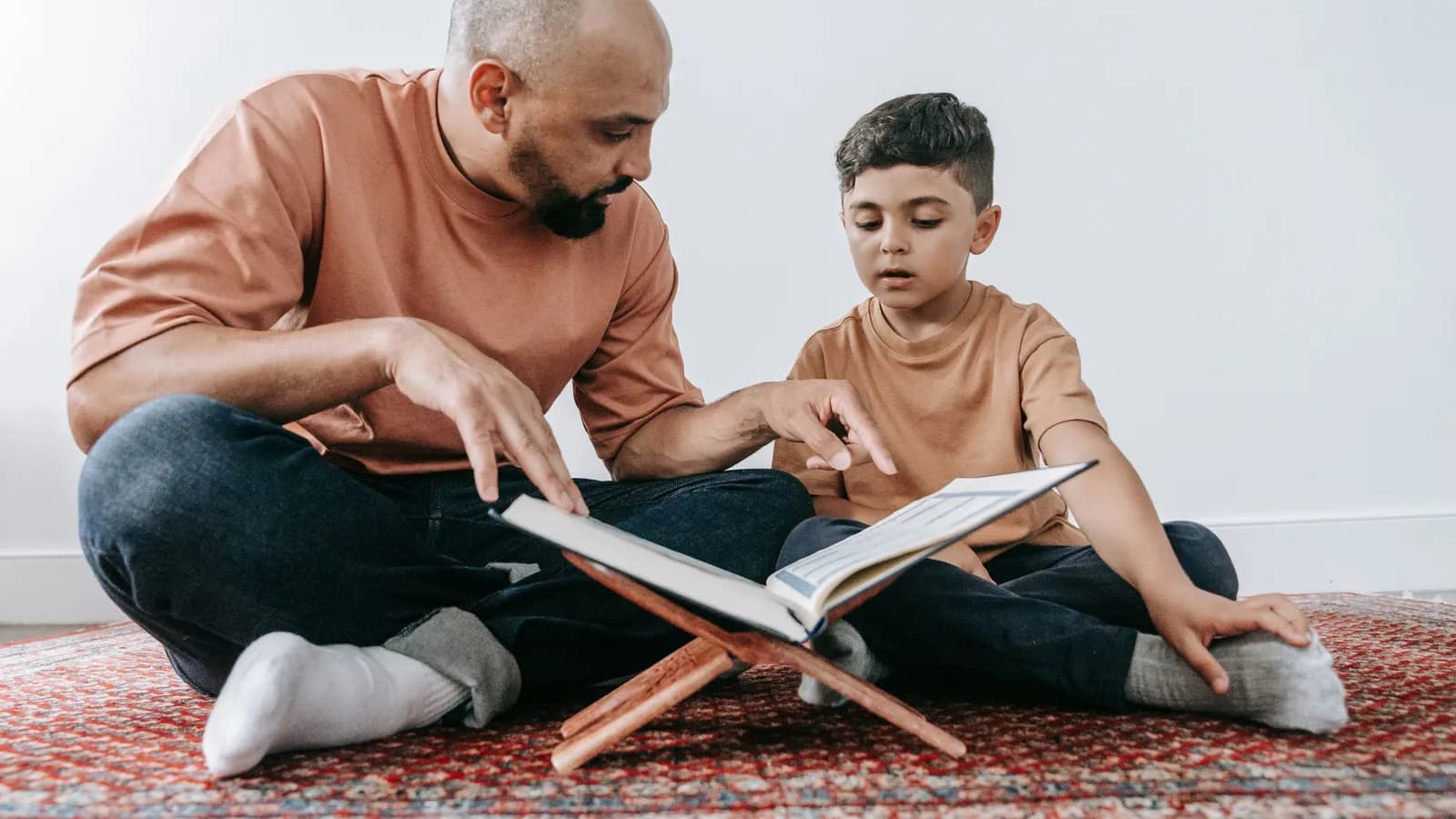
English for kids: what Malayali parents actually need to know
Almost every claim aimed at worried parents is either overstated or invented. Here is what is reasonably well established, and what to do with it.
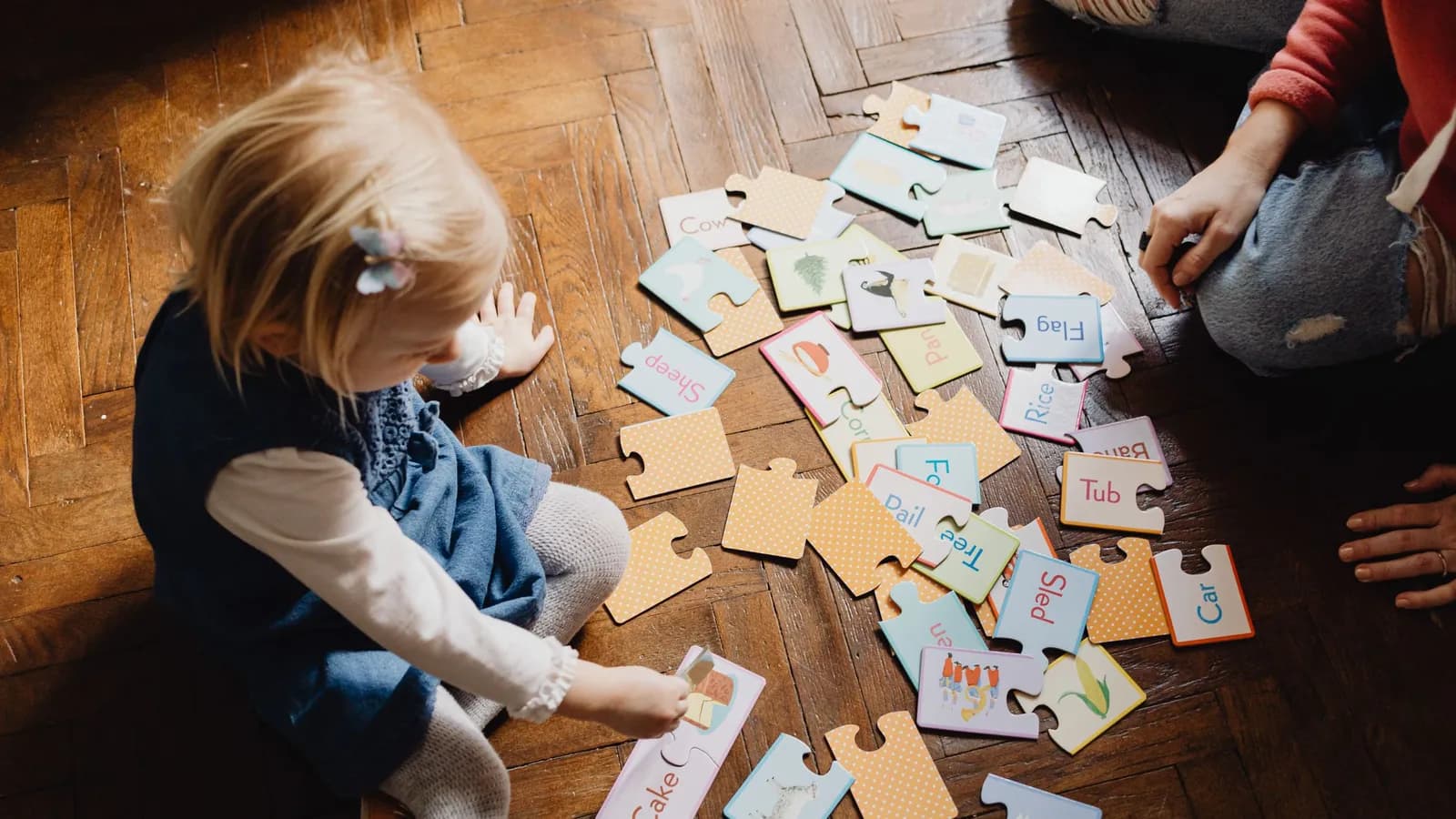
Ten English games for kids that need nothing but ten minutes
The bottleneck is not exposure — it is output. These are ten ways to make a child say something in English without it feeling like homework.

How to speak English fluently: a guide for Malayalam speakers
You studied English for twelve years and still freeze when you have to use it. That is not a knowledge problem — it is a retrieval problem, and it has a different fix.