Using AI to practise English speaking: what works, what does not
An AI will talk to you at 6am, never gets bored, and never judges your grammar. It also will not tell you the truth about how you sound unless you ask correctly.
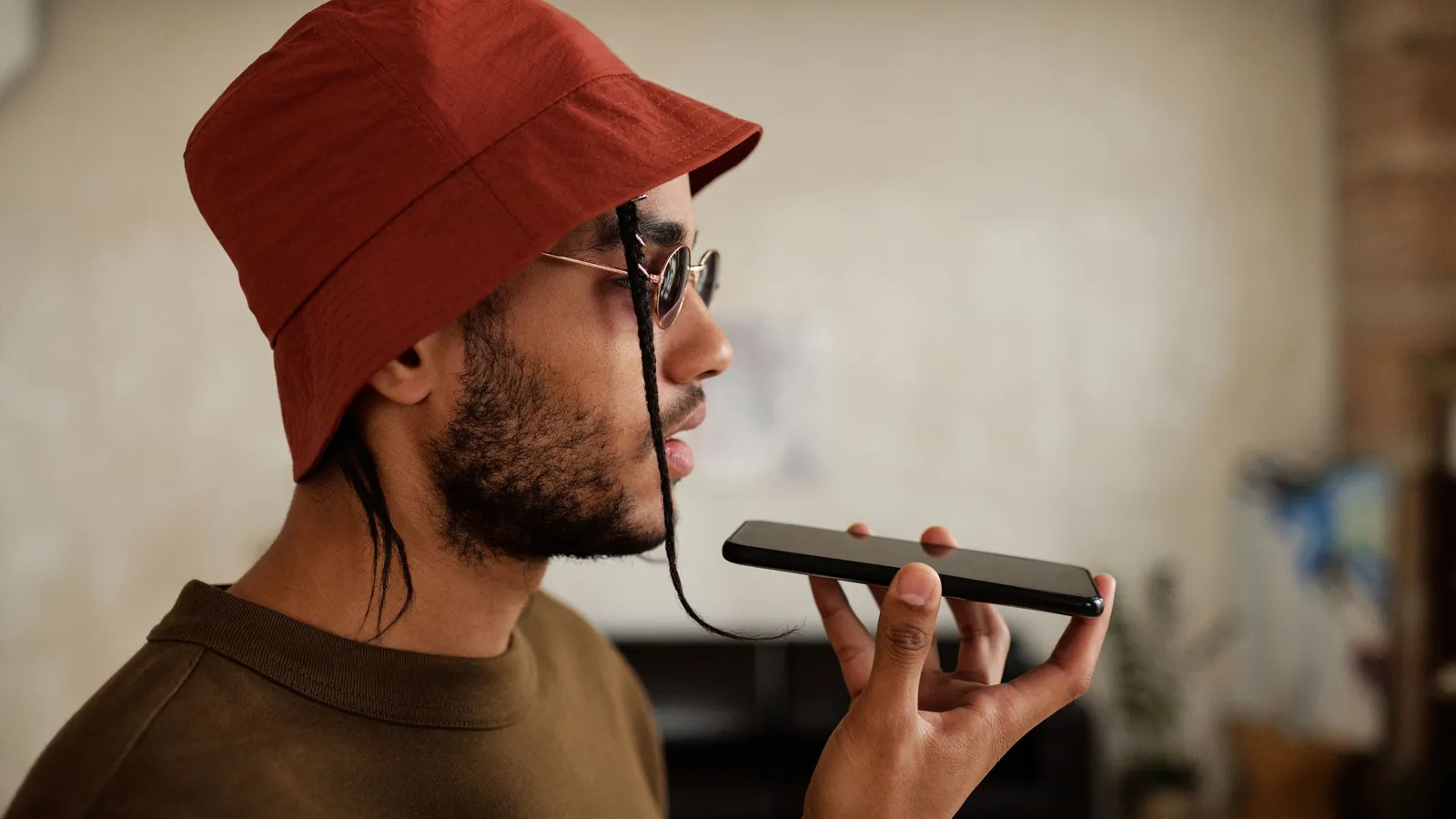
The single hardest logistical problem in learning to speak English has always been finding a patient partner at a convenient hour. AI removes that problem completely, which is a bigger deal than most of the marketing around it suggests — and smaller than the rest of it claims.
What AI is genuinely good at
Unlimited, unembarrassing volume. You can have the same conversation ten times. You can stop mid-sentence, restart, and try a different phrasing. No human partner offers that without social cost, and social cost is the main reason learners avoid practising.
Answering the question behind the question. Is "I am having a car" wrong, and why? A grammar book gives a rule; a good model explains the distinction between stative and dynamic verbs in the context of the sentence you actually produced.
Generating targeted material. Ten sentences drilling the /v/–/w/ contrast, using vocabulary from your job, at your level. That used to require a teacher's preparation time.
Rehearsal. Interviews, presentations, a difficult phone call. Run it five times before the real thing.
What it is not good at
Judging your pronunciation. Text-based models cannot hear you at all. Speech models can, but their assessment of accented English is unreliable in both directions — sometimes flagging a perfectly intelligible Indian English vowel as an error, sometimes passing a substitution that genuinely changes the word. Do not take pronunciation verdicts from software as final.
Telling you what to prioritise. An AI will answer whatever you ask. It will not notice that you have been avoiding the past perfect for three weeks, because it has no model of your history unless you build one.
Being honest by default. Ask "was that good?" and you will usually get encouragement. Ask "list every grammatical error in what I just wrote, with corrections, and rank them by how much they affect comprehension" and you get something useful. The quality of the feedback is almost entirely determined by the specificity of the request.
VideoShifting register mid-conversation — the skill that separates someone who has memorised English from someone who is using it.
A practice loop that works
- Speak for five minutes on a topic, recording it.
- Transcribe it — most phones do this natively now.
- Paste the transcript in and ask for errors ranked by impact on comprehension, not by formality.
- Pick the single most frequent error. Ask for ten practice sentences on it.
- Re-record tomorrow, watching only for that one error.
Step 3 is the one that separates useful practice from chatting. Step 4 is the one people skip.
Where a human is still necessary
Three places. Pronunciation you cannot hear in yourself. Knowing which of your fifty errors actually matters for your goal. And the accountability of someone expecting you on Tuesday.
The sensible arrangement is AI for volume and a teacher for direction — which is how the LangVR courses are built, and why the platform pairs AI practice with live classes rather than offering one instead of the other.
Frequently asked questions
- Can AI replace an English teacher?
- Not entirely. It replaces the conversation partner very well — unlimited patience, any hour, no embarrassment. It does not reliably assess accented pronunciation, and it cannot tell you which of your errors matter most for your particular goal, because it has no model of your history unless you build one deliberately.
- How do I get useful feedback from AI on my English?
- Ask specifically. "Was that good?" produces encouragement. "List every grammatical error, give the correction, and rank them by how much each affects comprehension" produces something you can act on. The specificity of the request determines the usefulness of the answer almost entirely.
- Is AI good at correcting English pronunciation?
- Treat it as a rough signal, not a verdict. Speech models are inconsistent on Indian English — they sometimes flag a perfectly intelligible vowel as wrong and sometimes miss a substitution that changes the word. For pronunciation specifically, a human listener remains substantially more reliable.
Keep reading

Does VR actually help you learn a language?
VR is sold as the future of language learning. Its real contribution is narrower and more interesting than that — and it is not about the graphics.

Why AI pronunciation scores are unreliable for Indian English
A pronunciation app told you 72%. That number feels precise and is not. Understanding what it measured tells you when to trust it.

AI for English teachers: what to hand over and what to keep
The question is not whether AI replaces English teachers. It is which parts of the job are worth your evening — and which were never the teaching.